A complete guide to setting up a biogas plant – an indigenous solution for energy and fertilizer.
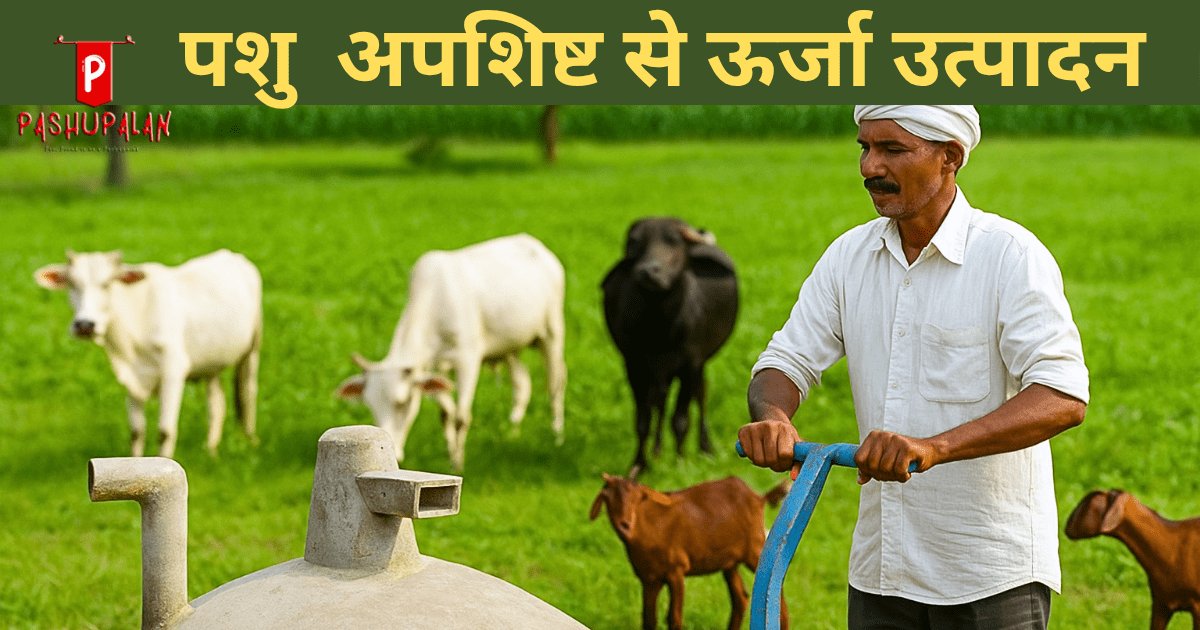

Biogas Plant: Complete Guide
Complete information on the process, models, subsidies, maintenance, and uses of biogas plants. Learn how to obtain both energy and fertilizer from cow dung.
Biogas Plant – A Solution for Both Energy and Fertilizer
Animal husbandry is not only a means of milk production but also the foundation of the rural economy. Every cow and buffalo produces an average of 10–15 kg of dung daily. If this dung is utilized properly, it not only keeps the environment clean but also provides farmers with a double benefit in the form of energy and organic fertilizer.
Today, with rising prices of petrol, diesel, and cooking gas, the biogas plant has emerged as a cheap, sustainable, and indigenous alternative. It is not only a source of domestic energy but also plays a significant role in environmental protection and mitigating climate change.
1. What is Biogas and How is it Produced?
Biogas is a mixture primarily composed of methane (CH₄) and carbon dioxide (CO₂). This gas is produced when cow dung and other organic matter decompose in an oxygen-free environment (anaerobic condition). This process is called anaerobic digestion.
A simple biogas plant consists of four main parts:
- Mixing Tank – where the mixture of dung and water is prepared.
- Digester Tank – where the gas production process takes place.
- Gas Storage Dome – where the gas is collected.
- Outlet Slurry Tank – from where the remaining mixture is discharged after gas production.
Approximately 1 cubic meter of gas is produced from every 25 kg of cow dung, which can meet the daily cooking needs of a family.
2. Major Components and Energy Potential of Biogas
Biogas contains an average of 50–60% methane, which is a flammable gas. The remaining part consists of CO₂, hydrogen, nitrogen, and sulfide gases.
Methane is the element that makes this gas combustible and convertible into heat or electricity. 1 cubic meter of biogas is approximately equivalent to: * The energy of 0.43 liters of petrol. * Enough to power a gas stove for 3 hours. * Can generate 1 unit of electricity (kWh).3. Types of Biogas Plants
Two main types of biogas plants are in use in India:1️⃣ Fixed Dome Type (Deenbandhu Model)
This is the most popular model. Both the digester tank and the gas dome are made of brick and cement. It requires less maintenance and has a lifespan of approximately 20 years.2️⃣ Floating Drum Type (KVIC Model)
In this model, an iron drum moves up and down with the gas. The drum settles down as the gas is released. It is slightly more expensive but useful for maintaining controlled gas pressure. Many companies are now also manufacturing fiber or plastic pre-fabricated biogas tanks which are easier to install.4. Benefits of Installing a Biogas Plant
1️⃣ Savings on Domestic Energy
A 2 cubic meter plant can completely replace the cooking gas needs of a family of 4-5 members. This can save approximately ₹700-1000 per month on LPG expenses.2️⃣ Production of Organic Fertilizer
The slurry that remains after biogas production is a highly nutritious organic fertilizer. It is rich in nitrogen, phosphorus, and potassium. It is cheaper than chemical fertilizers and beneficial for the soil.3️⃣ Freedom from Odor and Flies
Throwing cow dung in the open pollutes the environment and attracts flies. In a biogas plant, this cow dung is used in a closed tank, which maintains cleanliness.4️⃣ Contribution to Climate Change Mitigation
Methane is a powerful greenhouse gas. When used in a controlled manner, it becomes a source of energy instead of polluting the environment.
5️⃣ Additional Income for Livestock Farmers
If a community biogas unit is installed in a village, income can be generated by selling the gas produced or by selling the manure.
5. Cost and Government Assistance
Under the Government of India's New National Biogas and Organic Manure Program (NNBOMP), small farmers are given subsidies for setting up biogas plants.
- Subsidy of ₹7500–₹9000 for plants with a capacity of 1–2 cubic meters.
- Additional assistance for ST/SC, women, or marginal farmers.
- Applications can be made through state-wise departments (such as the Renewable Energy Corporation in Rajasthan).
Generally, the total cost of a 2 cubic meter capacity plant is approximately ₹25,000–₹30,000, for which the dung from 2–3 animals is sufficient.
6. Multiple Uses of Biogas
Biogas is not limited to just cooking. It can be used in many ways:
- Biogas generators for electricity generation.
- Street lighting (Gram Panchayat projects).
- Bio-CNG conversion for running tractors or engines.
- Power supply to dairy or milk chilling units.
In many places, biogas is being compressed and filled into cylinders and used as "Gau-CNG".
7. Maintenance and Precautions
- Regularly add the cow dung and water mixture to the digester.
- Keep the plant in direct sunlight to maintain a temperature of 30–40°C.
- Never add items such as oil, soap, or plastic.
8. Community Biogas Model – Village Self-Reliance
Many villages are now installing community biogas plants, where the dung from 20–25 families together produces 100–150 kg of gas daily. This has made community kitchens, lighting, and fertilizer production possible simultaneously in the village.
Such models are important steps towards a self-reliant India — where waste, cow dung, and organic matter are all transformed into resources.
9. Environmental and Social Impact
- Reduction in carbon emissions.
- Easier cooking for women.
- Improved sanitation and health in the village.
- Increased soil fertility and water conservation.
According to United Nations reports, biogas projects are instrumental in achieving Sustainable Development Goals (SDG 7 and SDG 13) in rural India.
10. Conclusion
A cow dung gas plant is not just a source of energy but a complete rural development model. It allows farmers to reduce their dependence on LPG and electricity, improve soil quality by using organic fertilizer in their fields, and protect the environment.
Every livestock owner should consider setting up a small household plant using the dung from at least 1–2 animals. This will revive the tradition of turning “cow dung into gold.”
Author: Animal Husbandry Team | Source: Pashupalan.co.in